
Hyderabad has become one of India’s most closely watched real estate markets, particularly for buyers looking at residential plots. While location, plot size, approvals, and pricing remain important,Infrastructure development in Hyderabad is playing a major role in shaping the city’s residential growth and influencing demand for plots in emerging locations.
New roads, highways, expressways, metro connectivity, employment hubs, industrial developments, educational institutions, hospitals, and other infrastructure projects can improve accessibility and increase interest in surrounding areas. As more people and businesses move toward developing corridors, demand for residential and commercial properties can also change.
However, infrastructure development does not automatically mean that every nearby plot will increase in value. Buyers should understand the difference between an announced project, an under-construction project, and completed infrastructure before making an investment decision.
This guide explains how infrastructure development can affect plot values in Hyderabad and what buyers should verify before investing.
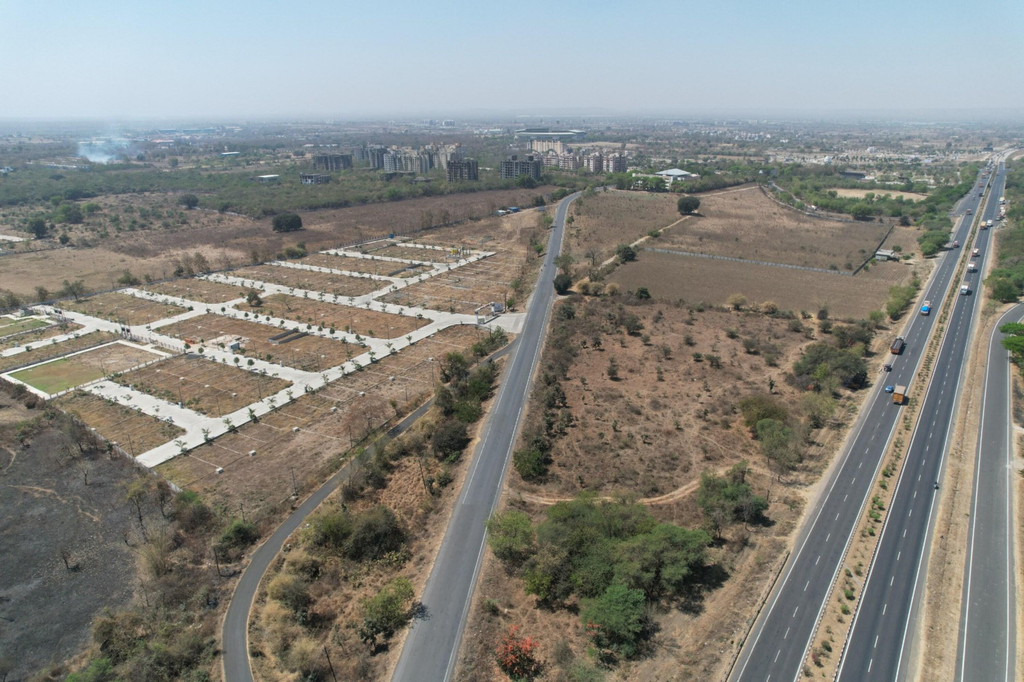
How Infrastructure Development in Hyderabad Impacts Plot Values
Real estate value is strongly connected to location and accessibility.
A plot may have good dimensions and clear documentation, but if it is difficult to access or located far from major roads and facilities, buyer demand may remain limited. Infrastructure can change this equation by improving connectivity and making an area more accessible.
For example, a new road connecting a developing locality to a major highway can reduce travel time. Similarly, the development of an employment hub can create demand for nearby housing as employees look for convenient places to live.
This is why infrastructure is often considered an important factor when evaluating the future potential of a plot.
However, investors should not purchase property solely because a particular infrastructure project has been announced. The project’s location, timeline, execution status, and actual impact on connectivity should all be evaluated.
1. Better Connectivity Can Increase Location Demand
Major roads, highways, and improved transportation networks are important parts of infrastructure development in Hyderabad, helping connect emerging residential areas with established parts of the city.
Improved connectivity can make developing areas more attractive to:
- Homebuyers
- Property investors
- Employees working nearby
- Businesses
- Developers
- NRI investors
For plot buyers, this matters because future residents generally prefer locations that provide reasonable access to workplaces, schools, hospitals, shopping areas, and major transportation routes.
Therefore, when evaluating a plot, buyers should look beyond the current surroundings and understand how the location connects to the broader Hyderabad region.

2. Highways and Major Roads Can Influence Property Demand
Hyderabad’s expanding road network has contributed to the growth of several peripheral and developing locations.
Major highways and arterial roads can improve accessibility between residential areas, employment centres, industrial zones, and other important destinations.
But proximity alone is not enough.
A plot advertised as being “near a highway” should be evaluated carefully. Buyers should check:
- Actual road distance
- Approach road quality
- Travel time
- Road width
- Existing connectivity
- Future road proposals
- Accessibility during peak hours
A plot located a few kilometres from a major road with a proper connecting route may be more practical than a property that is technically close to a highway but has poor internal access.
3. Employment Hubs Can Create Housing Demand
Infrastructure development and employment growth often work together.
As employment hubs expand, infrastructure development in Hyderabad can support new housing demand around these growth corridors.
This may increase the need for nearby housing.
Employees and businesses may prefer locations that provide convenient access to their workplaces. As residential demand increases, developers may also become more interested in surrounding areas.
For plot investors, identifying the relationship between employment growth and residential development can therefore be useful.
However, investors should distinguish between confirmed developments and speculative announcements.
Before investing, verify whether the employment project is:
- Officially announced
- Approved
- Under construction
- Operational
- Actually generating employment
The stage of development can make a significant difference when evaluating the future potential of a location.
4. Social Infrastructure Can Improve Liveability
Roads are not the only infrastructure that matters.
Schools, hospitals, shopping centres, and other amenities are also important when evaluating the impact of infrastructure development in Hyderabad on residential locations.
A developing location may initially have limited facilities. As population increases, businesses often begin serving the growing community.
This creates a gradual cycle:
Infrastructure → Accessibility → Development → Population Growth → Demand
For residential plot buyers, this cycle is important because people who purchase plots for future homes generally want access to essential facilities.
When evaluating a location, check what facilities already exist rather than relying entirely on future promises.
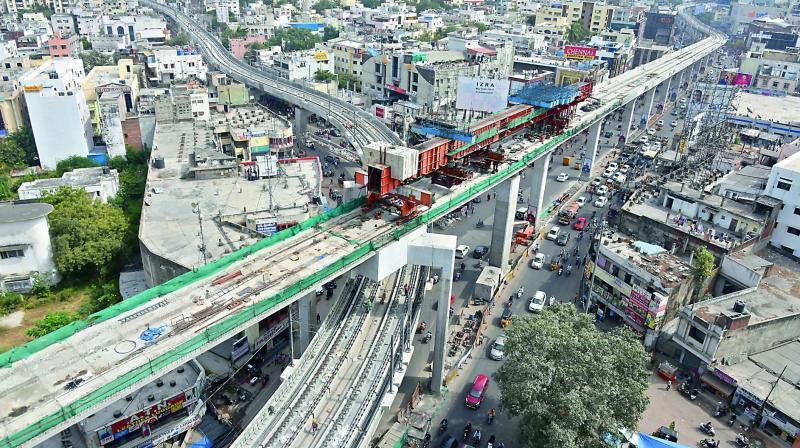
5. Infrastructure Can Change the Perception of a Location
Real estate demand is influenced by both actual accessibility and people’s perception of an area.
A locality that was previously considered too far from the city may become more attractive when a major road or infrastructure project improves access.
As more developments take place, the area can gradually gain recognition among homebuyers and investors.
This doesn’t guarantee price appreciation, but it can increase market interest.
For this reason, investors should study how a location has changed over the past few years and whether development is continuing.
Ask questions such as:
- Are new residential projects coming up?
- Are roads improving?
- Are commercial establishments increasing?
- Are more people moving into the area?
- Are employment opportunities expanding?
- Is social infrastructure developing?
These indicators can provide a better picture than relying on a single future project.
6. Metro and Public Transport Connectivity
Public transportation can also influence residential demand.
Metro connectivity, bus routes, proposed transport corridors, and other public transportation improvements can make commuting easier.
Areas with better public transportation can become attractive to a wider range of buyers, particularly people who do not want to depend entirely on private vehicles.
However, investors should carefully verify the status of proposed transport projects.
There is a significant difference between:
Proposed → Approved → Funded → Under Construction → Operational
A buyer should not assume that a proposed project will immediately translate into higher property values.
7. Infrastructure Can Encourage Commercial Development
Residential growth is often accompanied by commercial development.
When an area experiences better connectivity and population growth, businesses may start opening:
- Retail stores
- Supermarkets
- Restaurants
- Banks
- Clinics
- Schools
- Offices
- Service businesses
This can make the locality more convenient for residents.
For plot investors, increasing commercial activity can be a positive sign because it indicates that the area is gradually becoming more established.
Nevertheless, excessive commercial development, traffic congestion, or poor planning can also create challenges. Buyers should therefore evaluate the overall development pattern rather than assuming every infrastructure change is positive.
8. Infrastructure Does Not Guarantee Plot Appreciation
This is one of the most important points for property buyers.
A new road or infrastructure project can improve a location, but it does not guarantee that every nearby plot will appreciate.
Property values depend on multiple factors, including:
- Location
- Demand
- Connectivity
- Land title
- Approvals
- Development quality
- Plot dimensions
- Road access
- Surrounding development
- Market conditions
- Buyer demand
- Availability of competing properties
A buyer should therefore consider infrastructure as one part of the investment analysis, not as the only reason to purchase.
9. What Plot Buyers Should Verify Before Investing
Before purchasing a plot based on future infrastructure, conduct proper due diligence.
Check the Exact Location
Don’t rely only on a brochure or online advertisement.
Visit the location and check the actual distance to major roads, highways, employment hubs, schools, hospitals, and other facilities.
Verify Approvals
Depending on the property and location, check the relevant layout and planning approvals.
Do not assume that a project is legitimate simply because an advertisement mentions an approval.
Check the Title and Documents
Review the property’s title and relevant documentation with the help of qualified professionals where necessary.
Important documents can include:
- Sale deed
- Link documents
- Encumbrance Certificate
- Layout approval documents
- Land records
- Applicable NOCs
- Property tax records
Verify Infrastructure Claims
If a salesperson says a major road, metro, industrial project, or employment hub is coming nearby, ask for reliable information.
Try to determine:
- Who announced it?
- Has it been approved?
- What is its current status?
- Where exactly is it located?
- What is the expected timeline?
- Is construction underway?
This helps separate genuine development from marketing claims.
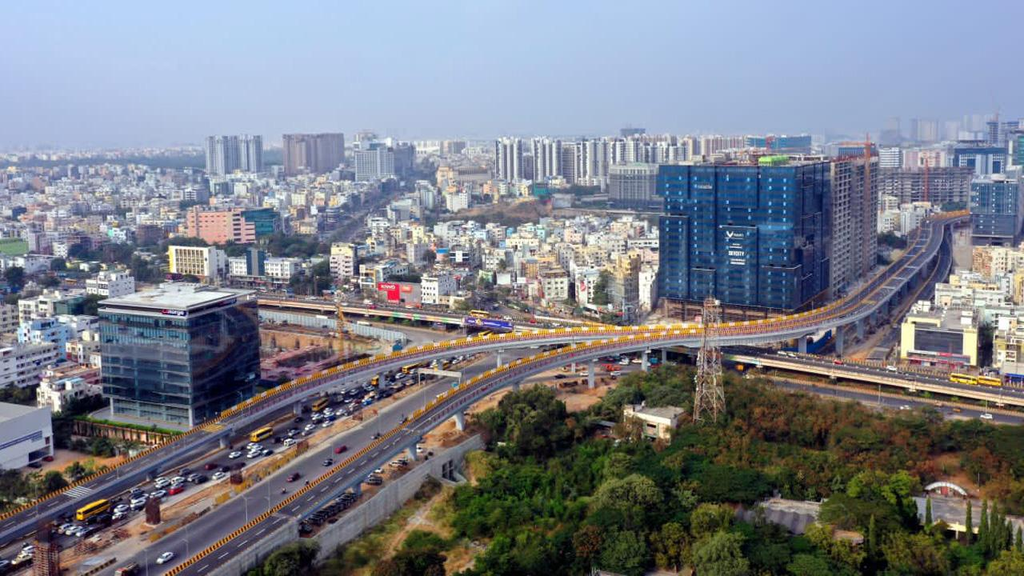
10. Why Emerging Corridors Attract Plot Investors
Established areas generally have mature infrastructure and higher property prices.
Emerging corridors can offer a different investment proposition.
These locations may have:
- Larger parcels of land
- New road connectivity
- Upcoming employment hubs
- Expanding residential development
- Lower entry prices compared with mature locations
But emerging areas also carry greater uncertainty.
Infrastructure may take longer than expected, development may happen unevenly, and market demand can change.
Therefore, buyers considering emerging corridors should have a longer-term perspective and conduct stronger due diligence.
How Milestone Infra Group Approaches Plot Investments
At Milestone Infra Group, the focus is on helping property buyers understand the important factors behind a plot investment rather than looking at price alone.
For buyers evaluating residential plots around developing locations, factors such as connectivity, approvals, documentation, surrounding infrastructure, accessibility, and future development should all be considered together.
A well-informed buyer should understand where the property is, what surrounds it, how accessible it is, and what documentation supports the development.
The objective should not simply be to find a plot. It should be to make a property decision based on proper verification and informed evaluation.
Frequently Asked Questions
Does infrastructure development always increase plot prices?
No. Infrastructure can improve accessibility and demand, but it does not guarantee price appreciation. Location quality, approvals, documentation, market demand, and overall development also matter.
Is buying a plot near a highway a good investment?
Highway connectivity can be beneficial, but buyers should evaluate actual accessibility, traffic, approach roads, surrounding development, and future infrastructure before investing.
Should I invest based only on future infrastructure projects?
No. Future infrastructure should be treated as one factor in your investment analysis. Always verify the project’s status and evaluate the property’s current fundamentals.
What infrastructure should plot buyers look for?
Buyers can consider road connectivity, public transportation, employment hubs, schools, hospitals, commercial development, and other essential facilities.
How can I verify an infrastructure project?
Check official government or authority announcements and verify the project’s current stage. Do not rely solely on promotional material or verbal claims.
Conclusion
Infrastructure development in Hyderabad can play an important role in shaping the future of developing real estate corridors. Better roads, transportation, employment hubs, social infrastructure, and commercial development can improve accessibility and potentially increase demand for surrounding properties.
However, infrastructure alone should never be the only reason to purchase a plot.
A smart property decision combines location, connectivity, approvals, documentation, surrounding development, current demand, and realistic future potential.
Before investing, visit the property, verify the documents, understand the infrastructure around it, and investigate whether future development claims are supported by reliable information.
At Milestone Infra Group, the approach is simple:
Explore • Verify • Decide.
Because a good property decision starts with understanding the opportunity—not simply following the hype.
Looking for residential plots in developing locations around Hyderabad? Explore Milestone Infra Group’s projects and speak with the team to understand the location, approvals, connectivity, and available options.